Product Description
Quick Details
- CAS No.:
-
6132-04-3
- Other Names:
-
sodium citrate
- MF:
-
C6H5Na3O7
- EINECS No.:
-
200-675-3
- FEMA No.:
-
food grade TSC
- Type:
-
Emulsifiers, Flavoring Agents, Nutrition Enhancers, Preservatives, Stabilizers, food grade TSC
- Model Number:
-
Food Grade
- Product name:
-
food grade trisodium citrate
- Appearance:
-
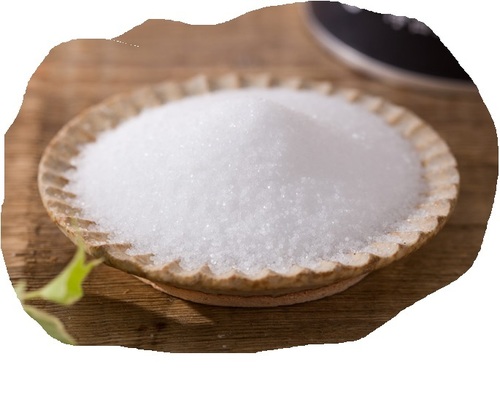
White Crystal or Crystal Powder
- Color:
-
White Color
- Grade:
-
Food Grade
- Certification:
-
HALAL KOSHER HACCP ISO22000
- Application:
-
Jelly Beverage Icecream Dairy
- Shelf Life:
-
2 Years
- Form:
-
Crystal or Crystal Powder Form
- Name:
-
Food Ingredients Health Additives
- Usage:
-
Emulsifiers Stabilizers Flavouring agent
Versatile ApplicationsAmmonium citrate is celebrated for its adaptability in various industries, including analytical chemistry, water treatment, and the photographic sector. Its ability to act as a buffer and emulsifier makes it a preferred choice for laboratory and technical environments. Used extensively for water purification, it helps maintain desired pH levels crucial for analytical results.
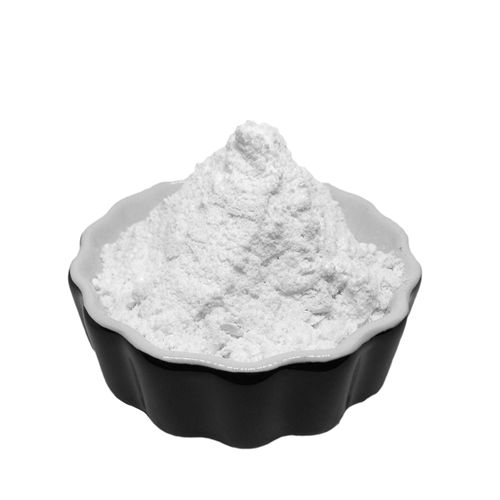
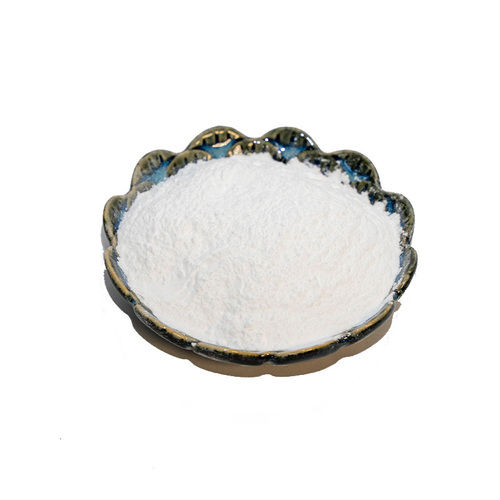
Physical and Chemical FeaturesThis compound appears as a white crystalline or granular powder with a melting point of 185C, where it decomposes. It remains stable under recommended conditions and possesses a density of 1.6 g/cm3. Its high solubility in water enables easy application, whereas its insolubility in alcohol restricts its use in some chemical processes. Ammonium citrate has a neutral to slightly acidic pH range, suiting sensitive uses.
Safe Storage and HandlingAmmonium citrate is classified as a non-hazardous, non-poisonous material. Its shelf life extends up to three years provided it is kept in a cool, dry, and well-ventilated place. The standard packing size is 25 kg bags, customizable to customer needs. While stable, it must not be exposed to moisture beyond 2% to preserve integrity and effectiveness.
FAQ's of ammonium citrate:
Q: How should ammonium citrate be stored for optimal shelf life?
A: Ammonium citrate should be stored in a cool, dry, and well-ventilated area, strictly protected from moisture to keep its content below 2%. Proper storage ensures a stable shelf life of up to three years.
Q: What are the main industrial and laboratory uses of ammonium citrate?
A: Ammonium citrate is commonly used as a buffer in analytical chemistry, an emulsifier in industrial processes, and as a water treatment agent. It also finds application in the photographic industry and laboratory reagent setups.
Q: Where can ammonium citrate be applied in water purification?
A: Ammonium citrate is used in water purification systems to adjust and maintain pH levels, which is critical for the removal of contaminants and optimizing water quality in industrial and municipal applications.
Q: What is the process for dissolving ammonium citrate?
A: Ammonium citrate dissolves readily in water, forming clear solutions suitable for laboratory and industrial use. It should not be used with alcohol-based solvents due to its insolubility in alcohol.
Q: When is it beneficial to use ammonium citrate over other citrates?
A: Its non-hazardous nature, high purity, and broad pH range make ammonium citrate particularly suitable for sensitive analytical procedures, technical applications, and processes requiring stringent safety standards.
Q: Is ammonium citrate considered safe for handling and transport?
A: Yes, ammonium citrate is classified as a non-hazardous and non-poisonous material, making it safe for standard handling, storage, and transportation under recommended conditions.
Q: What packing options are available for ammonium citrate exports?
A: Typically, ammonium citrate is shipped in 25 kg bags, but alternative packaging can be arranged based on specific customer requirements and industry standards.





 triangulumchemical@gmail.com






 Send Inquiry
 Send Inquiry
 Send SMS