Product Description
Classification:
Sulphate
Type:
lithium sulfate
CAS No.:
10377-48-7
Other Names:
Lithium sulphate
MF:
Li2SO4
EINECS No.:
233-820-4
Place of Origin:
China
Grade Standard:
Food Grade, Industrial Grade, Medicine Grade
Purity:
99%min
Appearance:
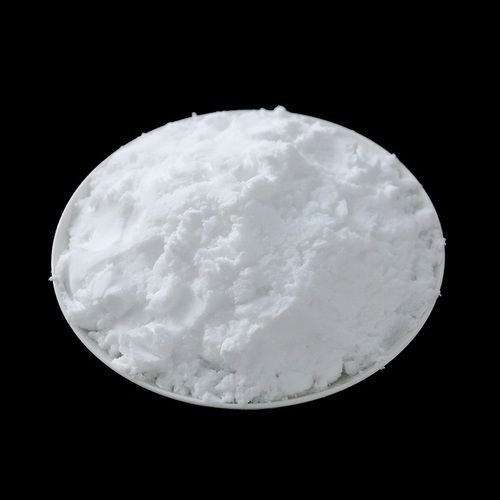
white powder
Application:
special high-strength glass
Brand Name:
HONREL
Model Number:
HRY
Product Name:
Lithium sulfate
MOQ:
1kg
Molecular Weight:
109.94
HS Code:
28332990
Melting point:
845
Density:
2.22
Solubility:
insoluble in absolute ethanol, acetone and pyridine
PH:
6.0-9.0
Sensitive:
Hygroscopic
sample:
Availiable
Reliable Quality and PurityOur Lithium Sulphate Powder is synthesized under strict quality control protocols, ensuring a minimum 99% purity. The fine, white crystalline powder offers consistency in both industrial and laboratory applications. Its stable composition and conforming to industry standards make it suitable for various demanding processes, from analytical testing to large-scale manufacturing.
Versatility in ApplicationWith its excellent solubility in water and stable, neutral to slightly alkaline pH, Lithium Sulphate Powder finds utilization in multiple domains. Whether it's functioning as a reagent in chemical analysis, an electrolyte component for battery manufacturing, or as a vital additive in ceramics and specialty glass, its broad compatibility ensures efficient integration across industries.
Safe Handling and StorageThis compound is classified as low-toxicity and does not emit any odor, easing handling protocols. To preserve its integrity, it should be stored in tightly closed containers in a cool, dry environment. The product's slightly hygroscopic nature requires minimal special precautions, ensuring ease of maintenance and longevity during storage and transit.
FAQ's of Lithium Sulphate Powder:
Q: How should Lithium Sulphate Powder be stored to maintain stability?
A: Lithium Sulphate Powder should be kept in tightly closed containers and stored in a cool, dry place, away from moisture and direct sunlight. This prevents it from absorbing water, as it is slightly hygroscopic, ensuring product quality and stability over time.
Q: What are the typical industrial and laboratory uses of Lithium Sulphate Powder?
A: Lithium Sulphate Powder is widely used as an analytical reagent, an electrolyte in battery manufacturing, and as a raw material in producing ceramics and specialty glasses due to its high solubility and stability. Its technical and industrial grades meet diverse application requirements.
Q: When is it beneficial to use Lithium Sulphate Powder in battery manufacturing?
A: Lithium Sulphate Powder is utilized as an electrolyte in the manufacture of batteries, particularly when a reliable and stable lithium source is needed. Its high purity and solubility help enhance battery performance and ensure efficient ion conductivity during operation.
Q: Where can Lithium Sulphate Powder be sourced and in what packaging?
A: The product can be sourced directly from exporters, manufacturers, suppliers, or traders based in India. It is typically available in 25 kg bags or drums, facilitating bulk handling and transportation for industrial needs.
Q: What process is involved in using Lithium Sulphate Powder as a laboratory reagent?
A: In laboratory settings, Lithium Sulphate Powder is dissolved in water to prepare standardized solutions with a neutral to slightly alkaline pH. These solutions are then utilized in analytical procedures or experiments where controlled lithium ion concentration is required.
Q: How does the hydration state-anhydrous or monohydrate-affect its usage?
A: Both anhydrous and monohydrate forms of Lithium Sulphate are available, with the choice depending on the specific application. Anhydrous is preferred when moisture content needs to be minimized, while monohydrate may be suitable when slight hydration is acceptable in the process.
Q: What benefits does Lithium Sulphate Powder offer for ceramic and glass manufacturing?
A: In ceramics and specialty glass production, Lithium Sulphate Powder acts as a flux, lowering melting points and improving the physical properties of finished products. Its high purity and consistent particle size ensure uniform integration and quality in manufacturing processes.





 triangulumchemical@gmail.com






 Send Inquiry
 Send Inquiry
 Send SMS