Product Description
CAS No.: 7786-81-4
Molecular formula: NiO4S
Molecular weight: 154.76
EINECS number: 232-104-9
Melting point 848 C
Density 3.68
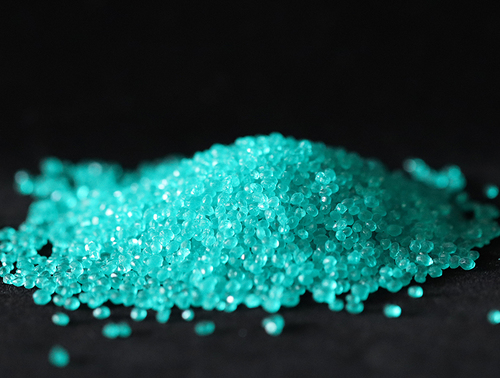
Form green-yellow orthorhombic crystals
Water solubility 27.3-27.7 g/100 mL at 20 oC
Used in electroplating, nickel batteries, catalysts, and other nickel salts, and used in printing and dyeing mordants, metal colorants, etc.
Key ApplicationsNickel Sulfate serves critical roles in the industrial sector. Its primary uses include electroplating processes, which provide corrosion resistance to metals, manufacturing batteries, acting as a catalyst, and assisting in dyeing textiles. Each application leverages its high purity and solubility, ensuring consistent, reliable performance in demanding environments.
Safety and HandlingDue to its toxic nature, Nickel Sulfate requires careful handling. Personal protective equipment should be worn at all times, and measures should be taken to minimize dust formation. It must be stored in cool, dry, well-ventilated areas away from incompatible substances. Compliance with hazard regulations (Class 6.1, UN3288) and eco-protection standards is essential for safe usage.
FAQ's of Nickel Sulfate:
Q: How should nickel sulfate be safely handled and stored?
A: Nickel sulfate should always be handled using personal protective equipment, including gloves, goggles, and masks to prevent inhalation or skin contact. Avoid creating dust and store the product in a cool, dry, well-ventilated area to maintain stability and minimize risks.
Q: What are the main industrial uses of nickel sulfate?
A: Nickel sulfate is mainly used in industries for electroplating, battery manufacturing, dyeing, and as a catalyst. Its fine crystalline form and high solubility make it suitable for these applications where purity and stability are required.
Q: When is nickel sulfate typically beneficial in the electroplating process?
A: Nickel sulfate is used during electroplating to deposit nickel coatings on metal surfaces, providing durability and corrosion resistance. Its consistent purity and hexahydrate structure ensure optimal performance and efficiency in industrial plating operations.
Q: Where can nickel sulfate be sourced in India?
A: Nickel sulfate is available from various exporters, manufacturers, suppliers, and traders across India, typically packaged in 25 kg bags or drums. It is distributed to meet industrial-grade standards and complies with chemical regulations.
Q: What precautions should be taken during transport and disposal of nickel sulfate?
A: During transport, nickel sulfate should be securely packed and clearly labeled as a Class 6.1 toxic substance (UN3288). Disposal must comply with local hazardous waste regulations, taking care to avoid environmental contamination due to its toxicity and ecotoxicity.
Q: How does nickel sulfate benefit battery manufacturing?
A: In battery manufacturing, nickel sulfate acts as a key raw material for nickel-based batteries, such as those used in rechargeable cells. Its high purity and stable chemical structure support efficient energy storage and prolonged battery life.





 triangulumchemical@gmail.com







 Send Inquiry
 Send Inquiry
 Send SMS