Product Description
We are offering Sodium Sulphate.
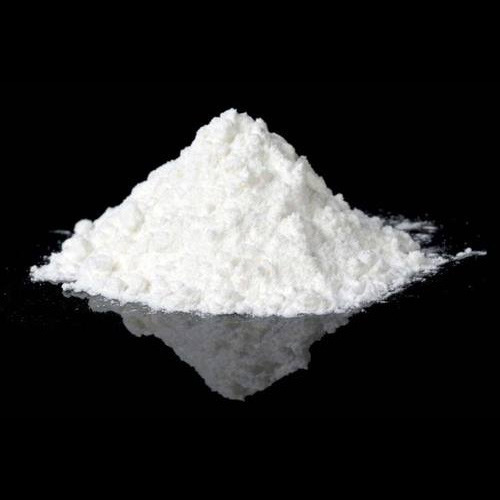
We are one of the leading manufacturers, suppliers, and exporters of white free-flowing Sodium Sulphate powder that is hygroscopic in nature and shows higher incompatibility with elements such as magnesium, strong acids, bases, and aluminum. It is widely used in industries such as food, pharmaceutical, cosmetic, and chemicals. This powdered compound has a chemical formula of Na2O4S with a molecular weight nearly equal to 142.042 grams per mol. Buyers can get this industrial chemical from our company at a reasonable price range.
Overview & FormsSodium sulphate is offered in both anhydrous and decahydrate (Glaubers salt) forms. It appears as a white, odorless crystalline solid, and is highly stable under normal temperatures and pressures. Available in customizable particle sizes and various packaging options, it meets industrial standards and regulatory guidelines for safe usage.
Diverse ApplicationsDue to its solubility and high conductivity in water, sodium sulphate is widely used in manufacturing detergents, glass, paper, textiles, chemicals, and industrial dyes. Its non-toxic and chemically compatible nature makes it suitable for laboratories and large-scale production environments.
Safe Storage & HandlingStore sodium sulphate in a cool, dry place, in tightly closed containers to preserve its shelf life of up to 24 months. The compound is non-hazardous and non-poisonous, ensuring safe handling and transport under normal industrial conditions. Dispose of in compliance with all applicable regulations.
FAQs of Sodium Sulphate:
Q: How should sodium sulphate be stored to maintain its quality?
A: Sodium sulphate should be stored in a cool, dry environment, within tightly sealed containers. Proper storage helps maintain its stability and ensures its 24-month shelf life by preventing moisture absorption.
Q: What are the main industrial applications of sodium sulphate?
A: Sodium sulphate is utilized in the production of detergents, glass, paper, textiles, chemical manufacturing, and dyes. Its high solubility and conductivity in aqueous solutions make it especially valuable in these processes.
Q: When is it beneficial to use anhydrous versus decahydrate forms of sodium sulphate?
A: The choice depends on application requirements: anhydrous sodium sulphate is preferred for moisture-sensitive processes, while decahydrate (Glaubers salt) is useful where water of crystallization assists processing, such as in thermal storage and pulp/paper industries.
Q: Where can sodium sulphate be safely disposed of after use?
A: Sodium sulphate should be disposed of according to local, regional, national, and international regulations. It is classified as non-hazardous and non-poisonous, but environmental compliance is essential for proper disposal.
Q: What is the process for customizing sodium sulphates particle size?
A: Particle size can be tailored during production to suit specific industrial requirements. Manufacturers can supply sodium sulphate in granules, powder, or crystal form based on customer needs.
Q: How does sodium sulphate benefit industrial processes?
A: Sodium sulphates high purity, stable properties, chemical compatibility, and versatility make it an efficient additive and filler. Its ease of handling and storage further enhance operational safety and convenience.





 triangulumchemical@gmail.com






 Send Inquiry
 Send Inquiry
 Send SMS