Product Description
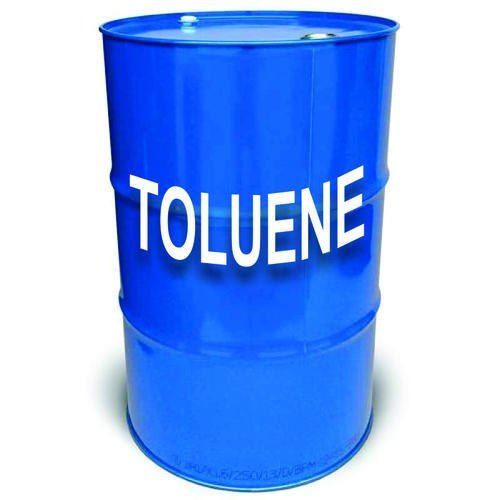
Toluene is a colorless liquid with a distinctive sweet smell. It is a highly versatile chemical compound that finds widespread use in various industrial and commercial applications. Toluene is primarily derived from petroleum and is commonly used as a solvent, a fuel additive, and as a starting material for the production of numerous chemicals and products.
Frequently Asked Questions (FAQ):
Q: What is toluene used for?
A: Toluene has a wide range of applications in different industries. It is commonly used as a solvent in paints, coatings, adhesives, and inks. It is also used as a fuel additive to improve the octane rating of gasoline. Toluene serves as a starting material for the production of chemicals like benzene, toluene diisocyanate (TDI), and various polymers. Additionally, it is utilized in the manufacturing of pharmaceuticals, synthetic fibers, rubber, and explosives.
Q: Is toluene hazardous to health?
A: Toluene can be hazardous to health if not handled properly. It is important to follow safety guidelines and use appropriate protective measures when working with toluene, such as wearing gloves, goggles, and working in a well-ventilated area. Inhalation or prolonged exposure to high concentrations of toluene vapors may cause health issues, including irritation of the respiratory system, dizziness, and in severe cases, damage to the central nervous system. It is recommended to consult safety data sheets and follow the guidelines provided by manufacturers or regulatory authorities.
Q: Can toluene be used as a recreational substance?
A: Toluene is not intended or safe for recreational use. Inhalation of toluene vapors for recreational purposes, also known as "huffing" or "sniffing," can have serious health consequences and is considered substance abuse. The misuse of toluene in this manner can lead to harmful effects on the brain, liver, kidneys, and other organs. It is important to prioritize personal safety and seek professional help if substance abuse is a concern.
Key Properties and SpecificationsToluene presents key physicochemical properties, including a boiling point of 110.6C, melting point of 95C, and a rapid evaporation rate. It has a flash point of 4C (closed cup) and an explosion limit in air from 1.2% to 7.1%. Its vapour density is higher than air, and it demonstrates a refractive index of 1.496 at 20C. Classified as a Class 3 flammable liquid, Toluene should be handled under strict safety controls.
Safe Handling and Storage GuidelinesTo ensure safety and maintain product integrity, store Toluene in a cool, dry, and well-ventilated area, away from heat, open flames, and incompatible substances like oxidizing agents and acids. Employ approved personal protective equipment and containers. The product remains stable under recommended storage conditions and has a shelf life of two years from the date of manufacture.
Common Uses and ApplicationsToluene is a trusted solvent in industries ranging from paint and coatings to adhesives, fuel additives, and chemical formulation. Its effectiveness lies in quick evaporation, good solvency, and compatibility with various organic substances. It is also used as a raw material derived from petroleum or coal tar, further expanding its versatility across applications.
FAQ's of Toluene .:
Q: How should Toluene be safely stored and handled?
A: Toluene must be kept in a cool, dry, and well-ventilated area, away from heat sources, open flames, oxidizing agents, and acids. Use appropriate containers and follow safety guidelines such as using PPE, since it is a Class 3 flammable liquid with a flash point of 4C.
Q: What is Toluene commonly used for in industry?
A: Toluene is primarily used as a solvent in paint thinners, adhesives, coatings, cleaning agents, fuel additives, and as a reagent in chemical processes. Its fast evaporation rate and excellent solvency make it suitable for various formulations and direct applications.
Q: When is it recommended to use Toluene as a solvent?
A: Toluene should be chosen when a quick-evaporating, potent organic solvent is required, such as in the preparation of paints, adhesives, and cleaning chemicals where water-insoluble substances need to be dissolved or thinned.
Q: Where is Toluene obtained from and what is its chemical identity?
A: Toluene is typically sourced from petroleum or coal tar during refining processes. Chemically, it is known as methylbenzene (CAS No. 108-88-3) with the molecular formula C7H8 and a molecular weight of 92.14 g/mol.
Q: What precautions should be taken during Toluene transport?
A: Toluene should be transported in accordance with ADR/RID/IMDG/IATA regulations. It is classified under UN number 1294, Packing Group II, and must be transported in suitable containers, avoiding contact with incompatible materials and potential ignition sources.
Q: How does Toluene benefit industrial processes?
A: Toluene's high purity, rapid drying/evaporation, and compatibility with organic materials enhance efficiency in manufacturing processes, providing reliable results in product formulation and application.





 triangulumchemical@gmail.com





 Send Inquiry
 Send Inquiry
 Send SMS
 Call Me Free