Product Description
Quick Details
- Classification:
-
Nitrate
- Type:
-
Potassium Nitrate
- CAS No.:
-
7757-79-1
- Other Names:
-
Potassium Nitrate
- MF:
-
KNO3
- EINECS No.:
-
231-818-8
- Grade Standard:
-
Industrial Grade
- Purity:
-
99.76
- Appearance:
-
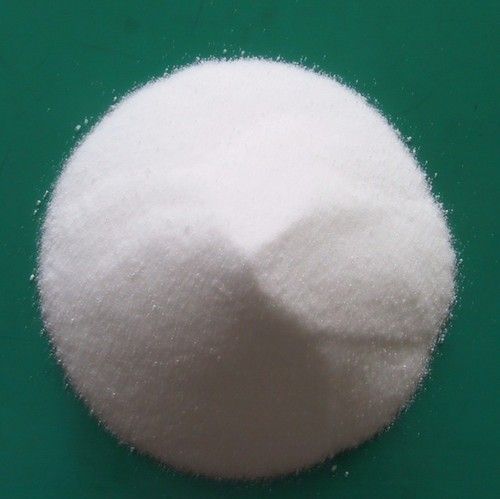
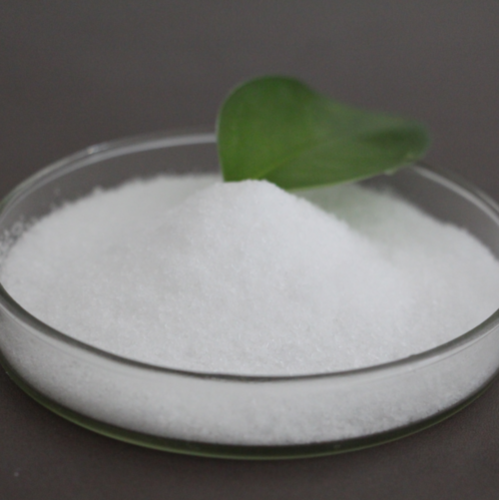
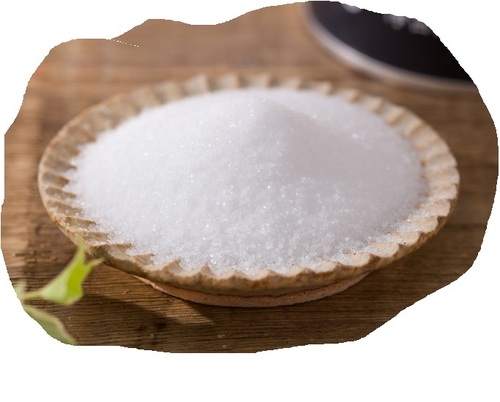
White powder
- Application:
-
Industry
- Model Number:
-
potassium nitrate
- Molecular weight:
-
101
Versatile Industrial and Agricultural ApplicationsPotassium nitrate serves multiple industries due to its oxidizing properties and high purity. It is a key component in fertilizers, enhancing plant growth by supplying essential potassium and nitrogen. In addition, it is valued in fireworks, propellants, and glass manufacturing, and is even permitted as a food additive for preservation, illustrating its adaptability across fields.
Safety and Storage GuidelinesPotassium nitrate is stable and non-poisonous when handled properly but, as an oxidizer, it can intensify fires if exposed to combustible materials. It is essential to store it in a cool, dry, and well-ventilated space, ensuring containers remain tightly closed. Proper handling and storage guarantee both safety and the product's 2-year shelf life.
FAQ's of potassium nitrate:
Q: How should potassium nitrate be stored to maintain its quality and safety?
A: Potassium nitrate should be kept in a cool, dry, and well-ventilated area, away from strong reducing agents and combustible materials. The container should always be tightly closed to prevent moisture absorption and contamination. Following these storage recommendations helps ensure the product remains stable and effective for up to 2 years.
Q: What are the primary industrial uses of potassium nitrate?
A: Potassium nitrate is used in agriculture as a fertilizer, in the manufacturing of fireworks and propellants, in glass production, and in food preservation. Each application benefits from its oxidizing and solubility properties, making it an essential material in both industrial and agricultural settings.
Q: When is potassium nitrate most commonly applied in agriculture?
A: Potassium nitrate is typically used during key stages of crop growth to provide plants with essential potassium and nitrogen. Its application helps improve plant vigor, fruit quality, and overall yield, especially beneficial during periods of rapid plant development.
Q: Where is potassium nitrate commonly obtained from or manufactured?
A: Potassium nitrate is commercially produced and supplied worldwide. In India, many exporters, manufacturers, and suppliers distribute it for industrial, agricultural, and laboratory use. It is typically available through chemical distributors and agricultural suppliers.
Q: What is the standard packaging for potassium nitrate, and why is this important?
A: Potassium nitrate is commonly packed in 25 kg or 50 kg woven bags with PE lining. This packaging prevents moisture ingress and ensures safe handling and storage. Maintaining proper packaging is crucial to preserving product quality and preventing contamination or accidental reaction with incompatible substances.
Q: How can potassium nitrate be safely used in laboratory or food settings?
A: When used in laboratory or food preservation, potassium nitrate should be handled according to standard safety protocols. Ensure accurate measurement, avoid contact with reducing agents, and store appropriately. For food use, only food-grade potassium nitrate should be selected, as other grades may contain impurities unsuitable for consumption.
Q: What are the benefits of using potassium nitrate as a fertilizer?
A: Potassium nitrate provides plants with readily available nitrogen and potassium, two essential nutrients for growth. Its high solubility allows for efficient nutrient delivery, leading to improved plant health, better yield, and enhanced resistance to stress and disease.





 triangulumchemical@gmail.com





 Send Inquiry
 Send Inquiry
 Send SMS