Product Description
Quick Details
- Classification:
-
Boric Acid
- CAS No.:
-
10043-35-3
- Other Names:
-
boric acid
- MF:
-
H3BO3
- EINECS No.:
-
233-139-2
- Grade Standard:
-
Agriculture Grade, Industrial Grade, Medicine Grade, Reagent Grade
- Purity:
-
99.5%
- Appearance:
-
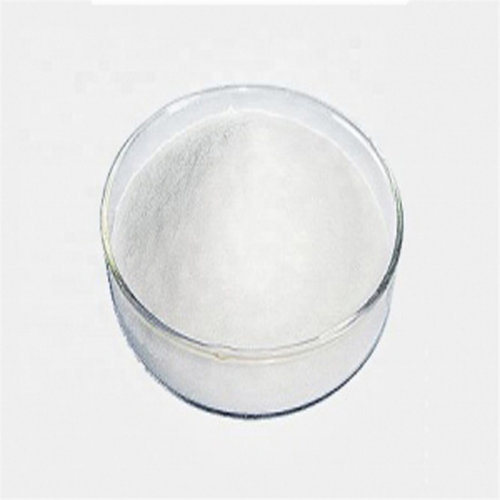
white powder or granula
- Application:
-
Agriculture
- Model Number:
-
Boric Acid
- Product name:
-
boric flakes acid
- Molecular Weight::
-
61.83
- Melting point::
-
169
- Boiling Point ()::
-
300
- Relative density::
-
1.44 (15 )
- Water solubility::
-
49.5 g/L (20)
- Size::
-
60~80mesh
- sample::
-
available
- Keywords:
-
boric acid powde
Applications and UsagesBoric acid finds extensive use in multiple sectors such as industry, medicine, agriculture, and laboratories. As a versatile compound, it acts as a flux in metallurgy, a pH buffer in formulations, antiseptic for medical use, pesticide in farming, and a flame retardant for materials. Its compatibility with most solvents amplifies its practicality in manufacturing and research processes.
Safety and Handling PrecautionsWhile boric acid is classified as slightly toxic when ingested in large quantities, it generally showcases low environmental impact if managed responsibly. It should be stored in a cool, dry, and well-ventilated area, using protective gear to avoid direct inhalation or ingestion. Disposal must strictly follow local regulations for hazardous chemicals to mitigate ecological risks.
Packaging and StorageSupplied in robust 25 kg and 50 kg bags, boric acid maintains stability and purity up to two years in closed packaging. The minimum order quantity is 500 kg, catering to industrial and wholesale requirements. Proper storage conditions safeguard its quality and extend shelf life, making it suitable for long-term usage in bulk operations.
FAQ's of boric acid:
Q: How should boric acid be safely handled and stored?
A: Boric acid should always be handled using protective gear to avoid direct inhalation or ingestion. Store it in a cool, dry, well-ventilated area, and ensure the packaging remains tightly sealed to retain its stability and purity during its two-year shelf life.
Q: What are the main applications of boric acid?
A: Boric acid is utilized in industry as a flux, in pharmaceuticals as an antiseptic, in laboratories as a pH buffer, in agriculture as a pesticide, and in manufacturing as a flame retardant. It is compatible with most chemicals and solvents, enhancing its versatility.
Q: Where can boric acid be used and who are the typical buyers?
A: Boric acid is commonly used in industrial, laboratory, pharmaceutical, and agricultural environments. Typical buyers include exporters, manufacturers, suppliers, and traders, particularly those operating from India or serving global markets.
Q: What is the minimum order quantity and how is boric acid packaged?
A: The minimum order quantity for boric acid is 500 kg. It is securely packaged in 25 kg and 50 kg bags to facilitate safe transport and easy storage for bulk and wholesale applications.
Q: What benefits does boric acid offer in industrial and scientific processes?
A: Boric acid improves manufacturing efficiency by acting as a reliable flux, ensures product safety as a flame retardant and antiseptic, and aids in precise laboratory work as a pH buffer. Its high purity and stable nature guarantee consistent results and compliance with industry standards.
Q: How should boric acid be disposed of after use?
A: Boric acid should be disposed of as per local regulations governing hazardous chemicals. Avoid direct discharge into the environment to minimize ecological impact and safeguard public health.





 triangulumchemical@gmail.com






 Send Inquiry
 Send Inquiry
 Send SMS