Product Description
Quick Details
Classification:
Phosphate
Type:
Sodium Phosphate, Acidity Regulators
CAS No.:
7758-79-4
Other Names:
Sodium Phosphate,dibasic
MF:
Na2HPO4
EINECS No.:
231-913-4
Place of Origin:
Jiangsu, China
Grade Standard:
Food Grade, Industrial Grade
Purity:
97%, 93.0-100.5%
Appearance:
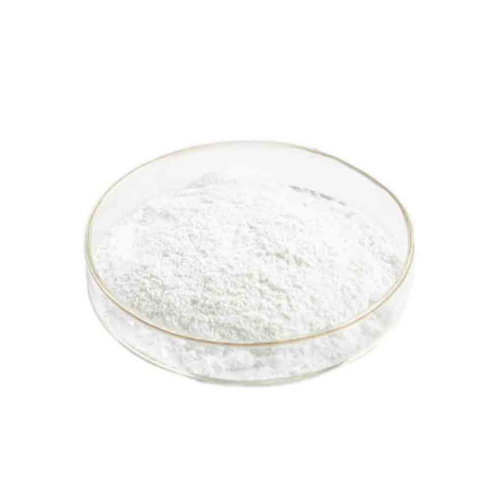
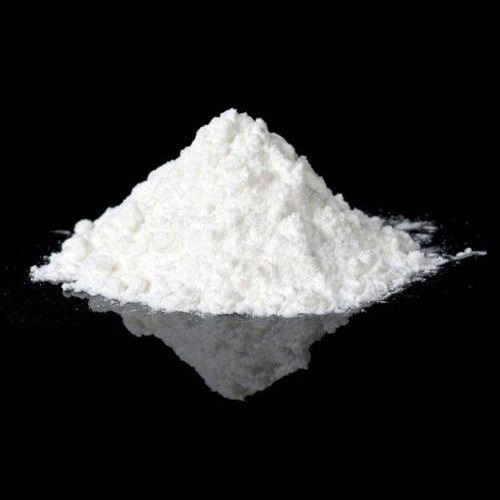
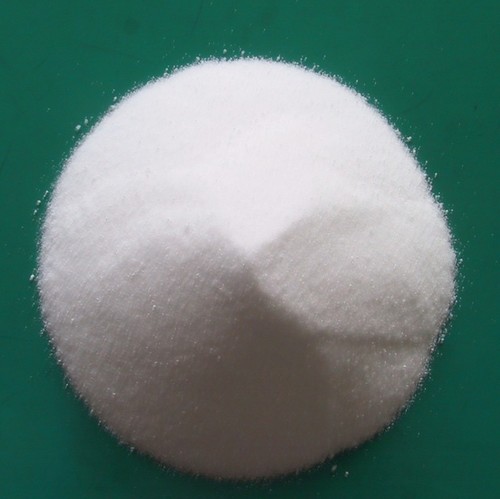
White Powder, White powder
Application:
Used as rapid ferment agent,
Brand Name:
SIWEI
Model Number:
SW-TSP001
Certification:
ISO
Grade:
Food Grade
Shelf Life:
2 Years
Package:
25kg/bag
Standards:
FCCVII
Versatile Applications Across IndustriesDisodium Phosphate is valued for its adaptability and efficiency as a food additive, water conditioner, and cleaning agent. Its consistent quality and stability make it a preferred choice in food processing, boiler water treatment, ceramics, and textiles. The range of hydrates (anhydrous, dihydrate, dodecahydrate) enables tailor-made solutions for specific industrial requirements.
High Purity and Safety StandardsWith a minimum purity of 98% and compliance with leading global standards (GB/FCC/USP/EU), Disodium Phosphate guarantees reliable performance in food and industrial applications. It is non-poisonous and contains very low levels of heavy metals (max 10 ppm as Pb), ensuring product safety and integrity.
Easy Handling and Long Shelf LifeThis stable compound is available as a free-flowing powder or granules, making it easy to handle, weigh, and blend. Its moisture content is kept below 0.2%, with a shelf life of up to two years when stored properly, allowing efficient inventory management and assured product reliability.
FAQ's of Disodium Phosphate:
Q: How should Disodium Phosphate be stored for maximum shelf life?
A: Disodium Phosphate should be stored in a cool, dry place away from moisture and direct sunlight. Proper storage helps maintain its quality and ensures its two-year shelf life from the date of manufacture.
Q: What are the main industrial and food applications of Disodium Phosphate?
A: Disodium Phosphate is primarily used as a food additive, water treatment chemical, ingredient in detergents, ceramic manufacturing aid, and in boiler water conditioning. It also serves as a buffer and emulsifying agent in laboratory and textile processes.
Q: When is the best time to use Disodium Phosphate in food applications?
A: Disodium Phosphate is commonly added during food processing to regulate acidity, improve texture, and enhance product stability. It functions effectively throughout different stages, including formulation and final mixing of food products.
Q: Where is Disodium Phosphate typically utilized in water treatment?
A: In water treatment, Disodium Phosphate is used to prevent scale formation and corrosion in boiler and industrial water systems. It is dosed directly into water circuits to ensure optimum performance and extend equipment lifespan.
Q: What process ensures the quality and safety of Disodium Phosphate?
A: Disodium Phosphate is manufactured and tested according to GB/FCC/USP/EU standards, which include controls on purity (minimum 98%), moisture, insoluble matter, and heavy metal content (max 10 ppm as lead), ensuring its suitability for food and industrial applications.
Q: How is Disodium Phosphate typically used in laboratory settings?
A: In laboratories, Disodium Phosphate acts as a buffer agent to maintain pH during chemical reactions and sample preparations, owing to its stable alkaline pH and high purity.
Q: What are the main benefits of using Disodium Phosphate?
A: Key benefits include its excellent solubility in water, stable chemical properties under normal conditions, broad applicability, and compliance with international safety and quality standards, making it a dependable choice for multiple industries.





 triangulumchemical@gmail.com






 Send Inquiry
 Send Inquiry
 Send SMS